

There comes a point in many families where caring for a loved one becomes more than just helping with small daily tasks. What starts as occasional assistance with meals, medications, or transportation can slowly turn into full-time responsibility. While families willingly give their love and time, the emotional, physical, and mental pressure can quietly become overwhelming.
Many adults today are balancing work, children, financial responsibilities, and caregiving all at the same time. Some wake up early to prepare medications before heading to work, then spend evenings assisting elderly parents or sick family members. Over time, exhaustion builds. Stress increases. Personal health is often neglected. Yet many caregivers continue silently because they feel guilty asking for help.
One of the biggest challenges families face is the fear that seeking outside support means they are not doing enough for their loved one. In reality, the opposite is true. Wanting professional assistance often means a family deeply cares about providing the best possible quality of life and safety for the person they love.
Another common problem is the emotional impact experienced by seniors or recovering patients themselves. Many individuals begin to feel isolated, lonely, or dependent when they can no longer do the things they once enjoyed independently. This emotional struggle can sometimes affect physical recovery and overall well-being even more than people realize.
In some situations, family members may not have the medical knowledge or caregiving experience needed to properly handle mobility support, medication reminders, personal hygiene assistance, or monitoring health conditions. Small mistakes caused by exhaustion or lack of training can unintentionally create additional risks at home.
This is where professional home care services can make a life-changing difference.
Home care is not about replacing family involvement — it is about strengthening it. Professional caregivers help create a healthier balance by providing reliable support while allowing families to focus more on meaningful moments together instead of constant stress and exhaustion.
With personalized home care, individuals can receive assistance while remaining in the comfort and familiarity of their own homes. This environment often promotes emotional comfort, reduced anxiety, and a stronger sense of independence. Something as simple as staying close to familiar surroundings, personal belongings, and loved ones can significantly improve a person’s daily outlook and recovery experience.
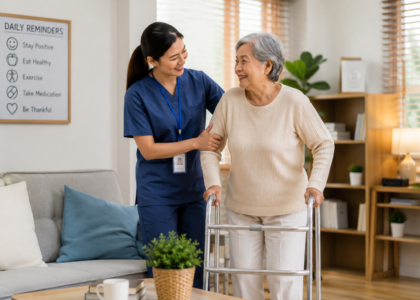
Professional caregivers can assist with daily living activities such as:
- Meal preparation
- Medication reminders
- Mobility assistance
- Companionship
- Personal hygiene support
- Wellness monitoring
- Light housekeeping
Beyond physical assistance, companionship itself plays a major role in improving mental and emotional wellness. Many seniors simply need someone who listens, talks with them, and helps them feel valued and connected. Human connection remains one of the most powerful forms of care.
Families also benefit emotionally when they know their loved one is receiving compassionate and dependable support. Instead of constantly worrying, they gain peace of mind knowing someone is there to help maintain safety, comfort, and daily stability.
As healthcare continues to evolve, more families are discovering that home care is not only a practical solution — it is also a compassionate one. It allows people to maintain dignity, independence, and quality of life while receiving the support they truly need.
At the heart of every caregiving journey is one simple goal: helping loved ones feel safe, respected, and cared for. Sometimes, the strongest thing a family can do is recognize they do not have to carry every responsibility alone.