

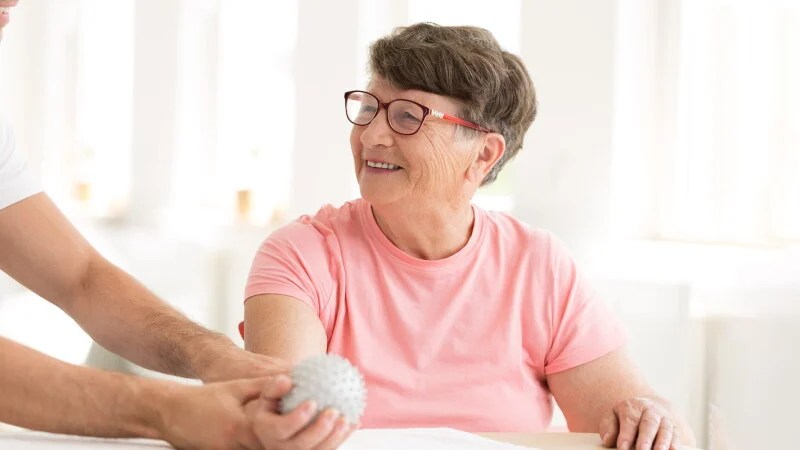
Recovering from a stroke is a journey that requires patience, dedication, and the right support system. While every person’s recovery is unique, many individuals can make meaningful progress in the comfort of their own home with the help of professional home health care. From improving mobility to rebuilding daily living skills, experienced healthcare professionals play a vital role in helping stroke survivors regain independence and improve their quality of life.
Understanding Stroke Recovery
A stroke occurs when blood flow to the brain is interrupted, causing brain cells to become damaged. Depending on the severity and location of the stroke, a person may experience difficulties with movement, speech, memory, balance, swallowing, or everyday tasks.
Recovery often begins in the hospital, but healing continues long after discharge. Consistent rehabilitation at home can help stroke survivors regain strength, reduce complications, and adapt to new challenges.
Why Recovering at Home Can Be Beneficial
For many stroke survivors, home offers a familiar and comfortable environment that promotes emotional well-being. Being surrounded by loved ones can reduce stress, increase confidence, and encourage active participation in rehabilitation.
Home-based care also allows healthcare professionals to create personalized treatment plans based on the individual’s daily environment, making therapy more practical and effective.
How Professional Home Health Care Supports Stroke Recovery
Skilled Nursing Care
Registered nurses monitor the patient’s overall health, manage medications, check blood pressure, assess for complications, and educate family members about proper care. They also help identify early warning signs that may require medical attention.
Physical Therapy
Physical therapists focus on improving strength, balance, coordination, and mobility. Therapy sessions may include:
- Walking exercises
- Balance training
- Muscle strengthening
- Transfer training (bed to chair, standing)
- Fall prevention strategies
These exercises help reduce the risk of falls while restoring independence.
Occupational Therapy
Occupational therapists help stroke survivors relearn everyday activities such as:
- Dressing
- Bathing
- Cooking
- Eating
- Using household items safely
They may also recommend adaptive equipment that makes daily living easier.
Speech Therapy
If a stroke affects communication or swallowing, speech-language pathologists provide exercises that improve speech, language comprehension, memory, and safe swallowing techniques.
Personalized Care Plans
Every recovery journey is different. Professional home health teams develop individualized care plans based on the patient’s condition, goals, medical history, and progress.
The Importance of Family Support
Family members are an essential part of stroke recovery. Encouragement, patience, and participation in therapy exercises can motivate loved ones to continue making progress.
Caregivers should also remember to care for themselves. Professional home health services provide education, guidance, and support that can reduce caregiver stress while ensuring the patient receives high-quality care.
Tips for Supporting Stroke Recovery at Home
- Follow all therapy and exercise recommendations.
- Take medications exactly as prescribed.
- Keep walkways clear to reduce fall risks.
- Install grab bars and other safety features when needed.
- Encourage healthy eating and proper hydration.
- Attend follow-up appointments with healthcare providers.
- Celebrate small improvements to maintain motivation.
When to Seek Immediate Medical Attention
During recovery, call emergency services immediately if the stroke survivor experiences:
- Sudden weakness or numbness
- Difficulty speaking or understanding speech
- Sudden vision changes
- Severe headache
- Loss of balance or coordination
- Facial drooping
Prompt treatment can significantly improve outcomes if another stroke occurs.
Conclusion
Stroke recovery is often a gradual process, but with the right professional support, many individuals can continue making meaningful improvements at home. Skilled nursing, physical therapy, occupational therapy, and speech therapy work together to help stroke survivors regain strength, confidence, and independence.
At HomUnity Health Services, we are committed to providing compassionate, personalized home health care that supports every step of the recovery journey. Our dedicated team works closely with patients and families to promote healing, improve daily function, and help individuals achieve the highest possible quality of life in the comfort of their own homes.


