

Maintaining healthy blood pressure is an important part of healthy aging. As people get older, blood pressure can change, and consistently high blood pressure may increase the risk of serious health problems. The good news is that seniors can take practical steps every day to support healthy blood pressure and overall well-being.
1. Eat a Heart-Healthy Diet
A balanced diet can play an important role in blood pressure management. Seniors can focus on vegetables, fruits, whole grains, beans, lean proteins, and low-fat dairy products. Limiting foods high in sodium, added sugars, and unhealthy fats can also support heart health.
2. Limit Sodium Intake
Too much sodium can contribute to higher blood pressure. Seniors should check nutrition labels and limit highly processed foods, canned meals, salty snacks, and other foods that contain large amounts of sodium. Using herbs and spices instead of extra salt can add flavor without increasing sodium intake.
3. Stay Physically Active
Regular physical activity can support cardiovascular health and help maintain healthy blood pressure. Depending on a senior’s abilities and healthcare provider’s recommendations, activities such as walking, stretching, swimming, or light exercises may be beneficial.
4. Take Medications as Prescribed
Some seniors need medication to manage high blood pressure. Taking medications exactly as prescribed is important. Seniors should not stop, change, or skip blood pressure medication without first speaking with their healthcare provider.
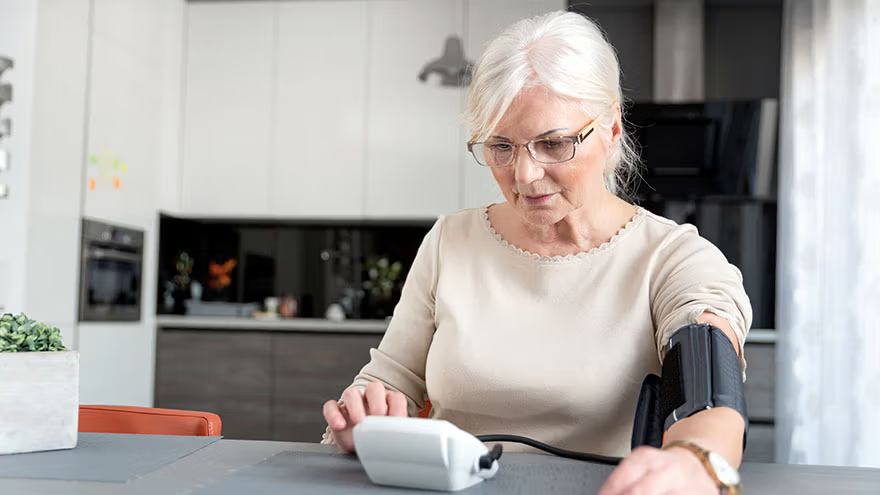
5. Monitor Blood Pressure Regularly
Regular monitoring can help seniors and their caregivers understand blood pressure patterns. Keeping a record of readings can also give healthcare providers useful information when evaluating treatment and making recommendations.
6. Maintain a Healthy Weight
Maintaining a healthy weight can support heart health and blood pressure management. Seniors should discuss appropriate nutrition and weight goals with their healthcare provider, especially if they have other health conditions.
7. Manage Stress
Long-term stress can affect overall health and may contribute to unhealthy habits. Seniors can make time for relaxing activities such as reading, gentle exercise, listening to music, spending time with loved ones, or practicing breathing and relaxation techniques.
8. Avoid Smoking and Limit Alcohol
Smoking can negatively affect cardiovascular health. Seniors who smoke can speak with a healthcare professional about resources to help them quit. Alcohol should also be limited according to individual healthcare recommendations.
9. Keep Regular Healthcare Appointments
Routine medical visits allow healthcare professionals to monitor blood pressure and identify changes early. Seniors should discuss concerns, medications, home blood pressure readings, and any new symptoms with their healthcare provider.
Supporting Healthy Aging at Home
Healthy blood pressure management is part of a larger approach to senior wellness. Consistent routines, nutritious meals, physical activity, medication management, and regular healthcare support can help older adults maintain their independence and quality of life.
Caregivers and family members can also help seniors stay on track by encouraging healthy habits, assisting with appointments, and helping monitor medications and blood pressure when appropriate.
Important: Blood pressure goals can vary from person to person. Seniors should work with their healthcare provider to determine what blood pressure range and lifestyle changes are appropriate for them.
https://www.nia.nih.gov/health/high-blood-pressure/high-blood-pressure-and-older-adults


